Your heart responds to the way you live, day after ordinary day. The good news is that the habits with the strongest effect are also the most familiar ones. None of them require a gym membership or a dramatic overhaul.
Move in a way you can repeat
Consistency matters far more than intensity. A brisk walk, a cycle to the shops, dancing in the kitchen or gardening all count. Aim for movement that raises your breathing slightly but still lets you talk. The best routine is the one you will genuinely do again tomorrow, even on a busy day.
- Break sitting every half hour, even if it is only to stretch or refill a glass of water.
- Add a short walk after your largest meal — it helps digestion and steadies blood sugar.
- Include gentle strength work for legs and core, which makes everyday movement easier.
Eat for your blood vessels
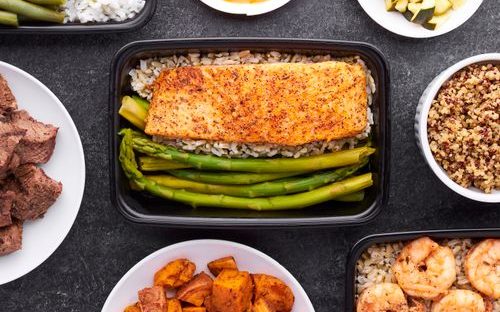
Fibre, healthy fats and potassium-rich foods do a lot of quiet work for your circulation. Build meals around vegetables, fruit, beans, whole grains, nuts, seeds and oily fish, and let processed snacks become the occasional guest rather than the daily habit. Watch liquid sugars in particular; they are easy to overlook.
Protect your sleep and your calm
Blood pressure follows your stress levels. Short sleep, late nights and constant screen time keep your body in a low-grade alert state. A consistent bedtime, a dark cool room and a wind-down routine are genuine heart-protective measures, not luxuries.
Know your own numbers — and what they mean
Blood pressure, cholesterol and blood sugar are the signals that show up long before symptoms do. Regular check-ups let your clinician catch a trend early, when a small change is usually enough to bring things back into range.
Keep it kind
Guilt is a poor motivator. Aim to make the healthy choice the easy choice most of the time, then enjoy the rest without drama. A heart-friendly life is a long game, and it is meant to be enjoyable.